


What Is CRM Software and Why Businesses Still Get It Wrong
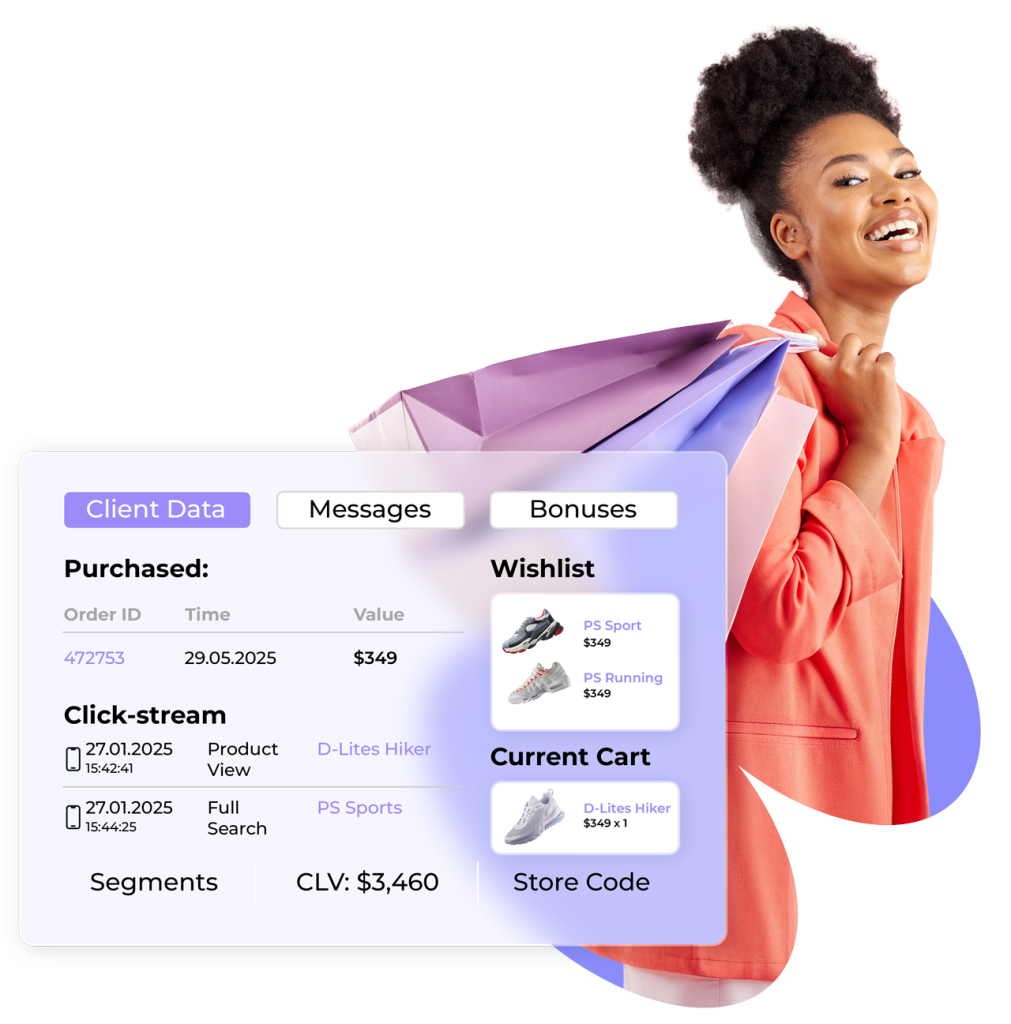
CRM software is one of those terms almost every business claims to understand, yet very few teams actually use it the way it was designed to be used. At surface level, CRM software is described as a tool to manage customer relationships in every aspect including sales calls, customer visits, complaints, and suggestions. CRM software is widely used across different industries. According to research, the CRM Software market is forecasted to reach almost $110 billion by 2026, showing organizations are continuing to invest in CRM software to support their marketing and CRM strategies. However, CRM software must be accurately defined because it has different use areas which might be operational or analytical CRM. In practice, most definitions are made too shallow to explain why so many CRM initiatives fail or why companies keep switching tools every few years.
CRM software exists to create a structured memory of how a company interacts with its customers over time. This memory is not only about contact details or deal stages. It is about context, continuity, and decision-making across sales, marketing, and service teams. When CRM software is treated as a shared operational layer instead of a reporting database, it starts to shape how teams work, not just how they track.
What Is CRM Software Used for in Day-to-Day Operations
CRM software is used to centralize customer interactions so teams stop working from fragmented spreadsheets, inboxes, and personal notes. In daily operations, this means sales teams log conversations, marketing teams track engagement signals, and customer success teams see the full history before reaching out.
What often gets overlooked is that CRM software also defines workflows. It determines who follows up, when they follow up, and with what context. If those workflows are poorly designed, the CRM becomes a passive archive. If they are designed with intent, the CRM becomes an active system that nudges teams toward better timing and more relevant communication.
This is where many organizations hit a ceiling. CRM software can store information easily, but turning that information into action requires discipline, shared definitions, and alignment across teams. Without that alignment, usage drops even though the tool itself keeps running in the background.
What Is CRM Software Compared to a Contact Database
CRM software is often mistaken for a contact database because contact records are the most visible part of the system. A contact database answers the question of who the customer is. CRM software goes further and answers how the relationship is evolving.
The difference becomes clear when multiple teams interact with the same customer. A database can store names, emails, and phone numbers. CRM software connects those details with meetings, emails, deals, support tickets, and behavioral signals. Over time, this creates a timeline that helps teams understand intent, risk, and opportunity instead of relying on assumptions.
This distinction matters because companies that use CRM software as a database usually measure activity, not progress. The system fills up with data, yet decisions still happen outside the tool.
What Is CRM Software in the Context of Sales Teams
For sales teams, CRM software acts as both a memory and a coordination layer. It ensures that opportunities do not disappear when a salesperson changes roles or leaves the company. More importantly, it creates a shared view of pipeline health.
CRM software helps sales managers see patterns across deals, not just individual performance. Over time, it reveals which stages slow down, where deals get stuck, and how long decisions actually take. That insight is valuable only if the data is consistently updated, which is why CRM adoption is as much a management issue as it is a tooling decision.
In practice, sales teams often resist CRM software when it feels like surveillance rather than support, which creates cultural resistance. In this regard, adoption improves when the system gives something back, such as clearer priorities or less manual follow-up work.
What Is CRM Software for Marketing Teams
CRM software plays a different role for marketing teams than it does for sales. For marketing, CRM software becomes the system of record for lead quality, engagement history, and lifecycle stage, which can be handled by an analytical CRM software. On the other hand, sales teams mostly focus on operational CRM activities like tracking customer leads or negotiation steps.
Instead of focusing only on campaign metrics, marketing teams use CRM software to understand which activities actually move leads closer to revenue. This requires clean handoffs between marketing and sales, as well as shared definitions of what a qualified lead looks like.
When CRM software is disconnected from marketing execution, it turns into a reporting endpoint. When it is integrated with automation and segmentation, it starts influencing who gets contacted, when, and with which message. That shift usually exposes gaps in data quality and process discipline that teams need to address.
What Is CRM Software Versus a CDP
CRM software and CDP platforms are frequently discussed together, yet they solve different layers of the same problem. CRM software focuses on known customers and leads, typically anchored to identifiable records such as email addresses or account IDs.
A CDP focuses on unifying data across channels, including anonymous behavior, and resolving identities over time. In environments where customer journeys span multiple sessions and devices, CRM software alone struggles to provide real-time context.
This is why modern CRM strategies increasingly depend on CDP capabilities. CRM software remains the operational backbone, while the CDP feeds it with richer, behavior-driven insights. Without that connection, CRM data ages quickly and loses relevance between interactions. PersonaClick achieves both as a unified solution set. For details, please visit our page after this blog post.
What Is CRM Software Implementation Really About
CRM software implementation is rarely a technical challenge. It is an organizational one. The software can be installed in days, but aligning teams around shared processes takes much longer.
Successful CRM software adoption depends on how clearly roles, responsibilities, and expectations are defined. Teams need to agree on what gets logged, what triggers follow-ups, and which fields actually matter. Over-customization often feels helpful early on but becomes a maintenance burden later.
Most failed CRM projects share a common pattern. The system is launched with enthusiasm, usage declines after initial training, and leadership later questions the ROI. At that point, the problem is framed as a tooling issue even though it started as a process gap.
What Is CRM Software in a Modern Martech Stack
CRM software no longer operates in isolation. In modern martech stacks, it connects with automation tools, analytics platforms, and data layers that continuously enrich customer profiles.
This interconnected setup allows CRM software to move beyond static records. It becomes a coordination hub where signals from different channels influence next actions. The challenge is governance. As more systems feed into the CRM, data quality and ownership become harder to manage.
Teams that treat CRM software as a living system revisit their setup regularly. Fields, workflows, and integrations evolve as the business evolves. Teams that freeze the system early often end up working around it instead of through it.
