


How AI Enables Smarter Segmentation for Modern Customer Engagement
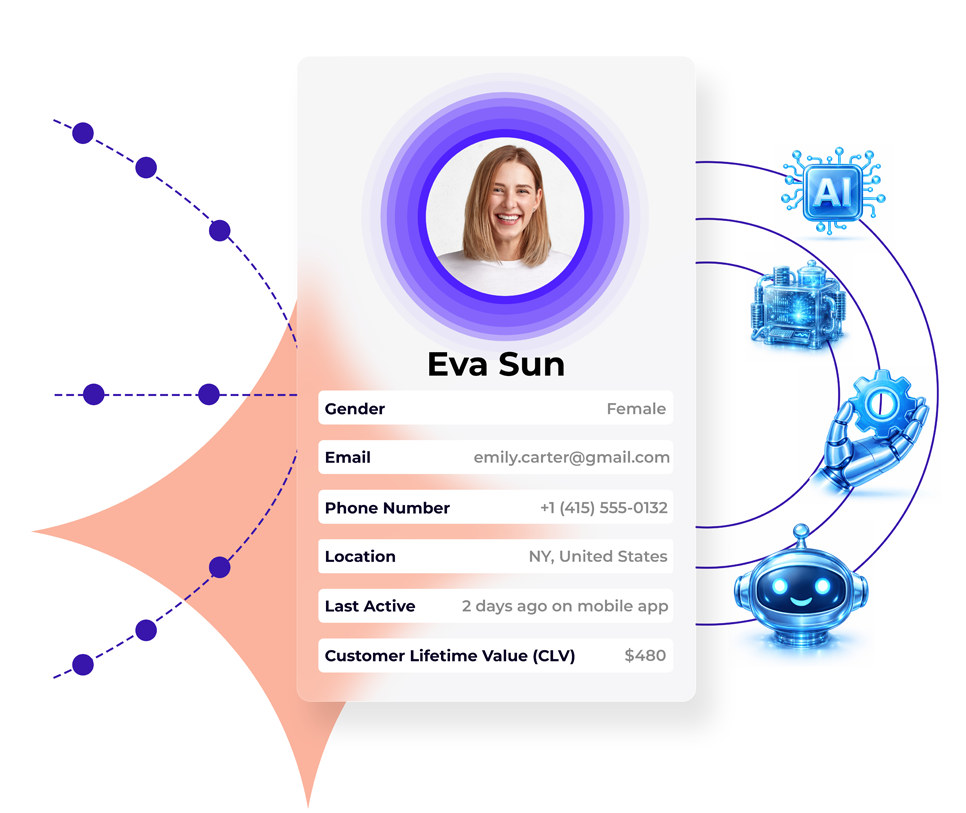
Segmentation has always been at the heart of effective marketing. But as customer behavior becomes more complex and less predictable, traditional segmentation methods struggle to keep up. Static rules, fixed lists, and manually updated groups no longer reflect how people actually move through digital experiences. This is where AI enables smarter segmentation, transforming segmentation from a manual task into a living, adaptive system.
Instead of asking marketers to define every rule upfront, AI observes behavior, learns patterns, and continuously refines customer groups. The result is segmentation that evolves with customers, not months later, but in real time.
Why AI Enables Smarter Segmentation Than Traditional Rule-Based Approaches
Traditional segmentation relies on assumptions. Marketers decide which behaviors matter, set thresholds, and group customers accordingly. While this approach works at a basic level, it cannot capture subtle signals or changing intent.
When AI enables smarter segmentation, it shifts the logic from assumptions to observation. AI analyzes large volumes of behavioral data from browsing paths, engagement frequency, purchase cycles, hesitation signals to inactivity patterns and identifies relationships humans would rarely detect. Customers are grouped based on how they actually behave, not how teams expect them to behave. This makes segmentation more accurate, more timely, and far more reflective of real customer intent.
How AI Enables Smarter Segmentation Through Behavioral Intelligence
Behavior is rarely linear. Customers explore, pause, return, compare, and sometimes disappear before coming back. AI excels at understanding these patterns.
When AI enables smarter segmentation, it looks beyond isolated actions and evaluates sequences. It recognizes which behaviors indicate rising purchase intent, which suggest price sensitivity, and which signal potential churn. Customers are segmented not just by what they did, but by what their behavior implies.
This behavioral intelligence allows brands to engage customers at the right moment before interest fades or frustration sets in.
How AI Enables Smarter Segmentation That Evolves in Real Time
One of the biggest weaknesses of traditional segmentation is staleness. A customer who was “high intent” last month may no longer be relevant today. AI solves this by keeping segmentation dynamic.
When AI enables smarter segmentation, customer groups update automatically as behavior changes. A customer moves from exploration to consideration, from active to dormant, or from price-sensitive to loyal — and segmentation reflects this instantly.
This real-time adaptability ensures that campaigns, offers, and messages are always aligned with the customer’s current state, not outdated data.
Why AI Enables Smarter Segmentation for Personalization at Scale
Personalization fails when segmentation is too broad or too rigid. AI-driven segmentation makes personalization scalable without becoming chaotic.
Because AI enables smarter segmentation, brands can deliver different experiences to micro-segments without manually creating dozens of lists. Content, recommendations, offers, and messaging adapt naturally as AI refines groupings.
Customers no longer receive messages that feel generic or mistimed. Instead, personalization feels intuitive because it is driven by real behavior rather than static rules.
How AI Enables Smarter Segmentation Across Channels
Customers do not interact with brands through a single channel. They move between websites, apps, email, SMS, and push notifications. Segmentation must follow them.
When AI enables smarter segmentation, it unifies cross-channel behavior into a single understanding. Engagement in one channel informs messaging in another. A customer who ignores email but reacts to push notifications is segmented differently from one who prefers long-form content.
This cross-channel intelligence ensures that segmentation supports orchestration, not fragmentation.
How AI Enables Smarter Segmentation for Retention and Churn Prevention
One of the most valuable applications of AI-driven segmentation is churn management. Customers rarely leave suddenly — they show warning signs first.
When AI enables smarter segmentation, it detects early indicators of disengagement: reduced visit frequency, shorter sessions, ignored messages, or stalled purchase cycles. These signals allow brands to intervene before customers fully churn.
Instead of blanket re-engagement campaigns, brands can target only those at risk, using the right tone, channel, and incentive. Retention becomes proactive rather than reactive.
How PersonaClick Uses AI to Enable Smarter Segmentation
PersonaClick integrates AI directly into its segmentation engine by unifying behavioral data across every touchpoint. Browsing behavior, purchase history, engagement signals, and inactivity patterns flow into a single customer profile.
This unified data allows PersonaClick’s AI to continuously refine segments based on real behavior. As customers move through their journeys, segmentation updates automatically and feeds directly into email, SMS, push notifications, onsite personalization, and product recommendations.
Marketers gain clarity without complexity, and customers experience relevance without repetition.
The End Result: When AI Enables Smarter Segmentation, Engagement Becomes Natural
When AI enables smarter segmentation, marketing stops guessing. Brands no longer push messages blindly or rely on outdated lists. Instead, engagement feels timely, personal, and aligned with customer intent.
Smarter segmentation leads to better personalization, stronger retention, higher conversion rates, and more efficient use of marketing resources. It transforms segmentation from a setup task into a strategic advantage.
✨ Ready to see how AI-powered segmentation can elevate your customer engagement?
Book a Demo and discover how PersonaClick turns data into smarter, adaptive customer segments.
