


Product Recommendation Engine Use Cases: Algorithms, Logic, and Revenue Impact
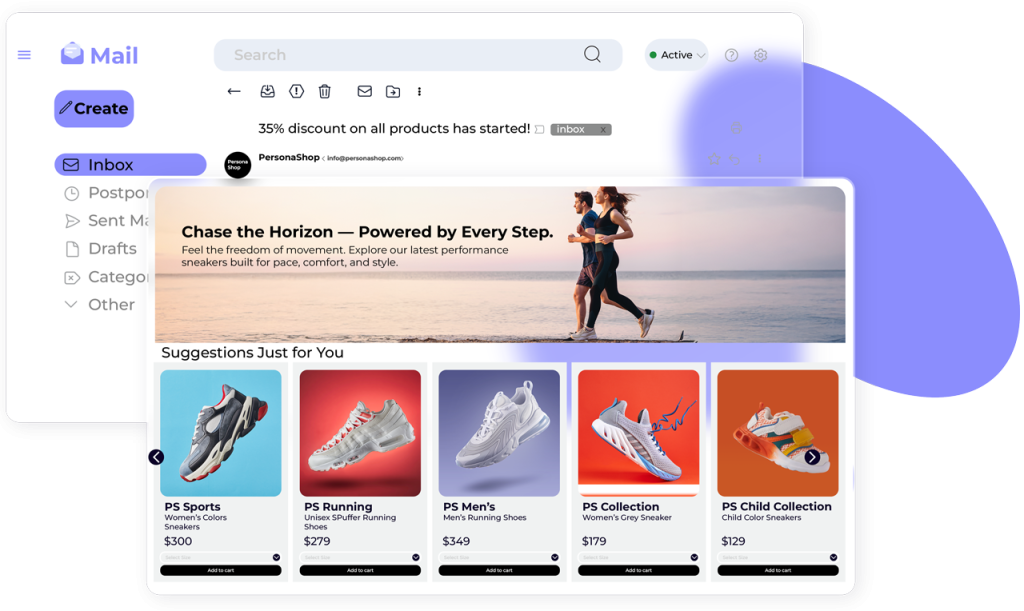
A product recommendation engine is no longer just a “you may also like” widget. In today’s commerce environments, a product recommendation engine is a behavioral intelligence layer. The effectiveness of a product recommendation engine is based on the algorithms behind the recommendations. When the algorithms line up with customer intent and lifecycle signals, the recommendations feel helpful instead of being intrusive. Here are the basic use cases for a product recommendation engine in a software platform like PersonaClick and the real-world applications for companies using this system.
Product Recommendation Engine: Similar Products Case
The Similar Products algorithm examines product characteristics like product type, brand, price range, tags, and product specifications. This algorithm finds products with structural similarities to the product under consideration.
Use Case: A user looking for black running shoes will see other products in similar styles and price ranges. Rather than leaving the website to search for similar products elsewhere, the user will see these products immediately. This product recommendation engine minimizes bounce rates and increases product page depth.
Product Recommendation Engine: Frequently Bought Together Case
This algorithm applies past transactional data to determine product sets that are often purchased together in the same session or order.
The algorithm applies the concept of association rule learning, which detects patterns such as:
- Laptop + laptop bag
- Camera + memory card
- Sofa + armchair
Use Case: When a customer adds a laptop to the cart, the product recommendation algorithm recommends a corresponding bag and wireless mouse. Since the recommendation is based on actual purchasing behavior, it appears logical and boosts the average order value in a basket. This algorithm performs well in electronics, furniture, and fashion bundles. It goes without saying that it can be applied to any categories if it is well-established, yet this needs caution.
Product Recommendation Engine: Personalized Behavioral Algorithm
This algorithm takes into account the user’s browsing history, additions to the wishlist, additions to the shopping cart, time spent on the product page, and frequency of interaction.
Use Case: A returning user is browsing the site frequently and is showing interest in premium denim products but hasn’t converted as a customer yet. The recommendation engine is showing the user premium denim collections and limited edition products instead of entry-level products. This is because the algorithm is based on real user behavior.
Product Recommendation Engine: Popularity Case
The Popular products case uses real-time sales velocity, click-through rates, and spikes in engagement. This algorithm helps to spot products that are trending within a given period of time.
Use Case: During seasonal campaigns, fast-selling products are featured prominently at the top of category pages using a product recommendation engine. This algorithm is based on social proof psychology, where customers feel less risk when they see trending products.
Product Recommendation Engine: AI Predictive Next-Best-Product Case
This is an advanced model that integrates RFM scoring, purchase recency, affinity clusters, and predictive probability modeling. This model determines what a customer is most likely to buy next.
Use Case: A customer who buys skincare products and has recently purchased cleanser and toner will be recommended moisturizer and serum products based on replenishment cycles. This product recommendation engine model is useful for retention and lifetime value growth.
Product Recommendation Engine: Cart-Based Dynamic Case
This logic is invoked when there is interaction with the cart.
Use Case: For instance, when a user puts a mid-range smartphone in the cart, the engine recommends accessories for the device based on specifications and price. Since the recommendations change in real-time based on the changes in the cart, the accuracy of the upsell is enhanced.
Product Recommendation Engine as a Growth Infrastructure
A product recommendation engine should not operate in isolation. Its strength depends on:
- Real-time data unification
- Dynamic segmentation
- Identity resolution
- Cross-device tracking
- Revenue attribution analytics
PersonaClick integrates all algorithms within a unified customer data structure. Each recommendation block can be measured for impressions, clicks, add-to-cart rate, and direct revenue contribution.
Final Perspective
A product recommendation engine is not about showing more products. It is about showing the right product at the right moment based on structured logic and behavioral insight. When algorithms are properly designed and continuously optimized, recommendations reduce friction, increase trust, and directly impact revenue performance.
