


SMS Marketing Use Cases: How Brands Build Faster, Smarter Customer Journeys
SMS has quietly become one of the most powerful communication channels for modern brands. In a world full of notifications, crowded inboxes, and constantly shifting attention, SMS stands out for one simple reason: people read their text messages.
Fast. Consistently. And almost always.
This is why sms marketing has grown dramatically in recent years. It gives brands a direct, personal way to reach customers at the exact moment information matters whether it’s a reminder, an offer, an update, or a critical notification.
But sms marketing is no longer just “sending promos.” Today it involves segmentation, timing, personalization, and triggers that reflect real customer behavior. Below, we explore the most effective sms marketing use cases and how brands use them to drive loyalty, revenue, and customer satisfaction.
1. Bulk SMS Marketing Across Industries
Bulk SMS remains one of the most common and effective sms marketing tactics, especially for industries with frequent updates or seasonal peaks. But modern bulk messages are no longer generic mass blasts. They are targeted, industry-specific, and aligned with customer intent. The numbers prove its impact: MobileSquared’s Messaging Benchmark Report found that 90% of bulk SMS messages are read within 3 minutes, highlighting how powerful timing is when communicating at scale.
In retail and ecommerce, bulk sms campaigns highlight flash sales, new arrivals, or seasonal promotions. Customers often check these updates within minutes, which makes bulk SMS perfect for time-sensitive offers. In travel and hospitality, hotels and airlines use bulk SMS to announce limited-seat deals or last-minute discounts that customers can act on right away. Telecom brands send bulk updates about billing cycles, data packages, and new plan options. Entertainment platforms alert users about live events, show releases, or early-access tickets. Even financial services use bulk SMS responsibly to share rate changes, educational content, or key reminders, which should always be aligned with compliance standards.
What all these industries have discovered is simple: bulk sms marketing is efficient because it meets customers where they already pay attention.
2. The Role of Segmentation in SMS Marketing
Segmentation is the backbone of modern sms marketing. Without segmentation, SMS becomes noise. With segmentation, SMS becomes value.
Nowadays, brands rely on behavioral data rather than assumptions. They group customers based on purchase recency, browsing patterns, lifecycle stage, loyalty status, or even content preferences. This transforms sms marketing from a generic communication channel into a personalized touchpoint. For example, customers who recently purchased might receive helpful post-purchase guidance instead of a discount they no longer need. Customers on the verge of churn can get a supportive, value-driven message rather than a sales pitch. High-value customers may receive VIP perks, early access to new items, or invitations tailored to their engagement level.
Segmentation ensures that each SMS feels intentional instead of intrusive and that the brand speaks differently to someone loyal, someone uncertain, and someone brand-new.
3. Sending SMS at the Right Time With PersonaClick
Timing has become one of the most influential factors in sms marketing today. Customers respond differently depending on time of day, day of week, and even personal behavioral rhythms. Brands no longer send messages at random intervals; they send them when customers are most likely to notice and act.
With SMS marketing, timing becomes smarter rather than manual. The platform observes customer behavior, preferred interaction hours, and engagement habits, helping brands send SMS messages at moments that naturally align with each customer’s daily flow. This doesn’t mean overwhelming the user, which means respecting their time and increasing the likelihood of successful engagement.
When SMS arrives when the customer is receptive, the difference is immediate: higher open rates, better conversion rates, and fewer opt-outs.
4. Trigger-Based SMS Inside the Customer Journey
One of the most powerful developments in sms marketing in recent years is the rise of trigger-based communication. Instead of waiting for scheduled campaigns, brands now send SMS messages triggered by real customer actions or inactions.
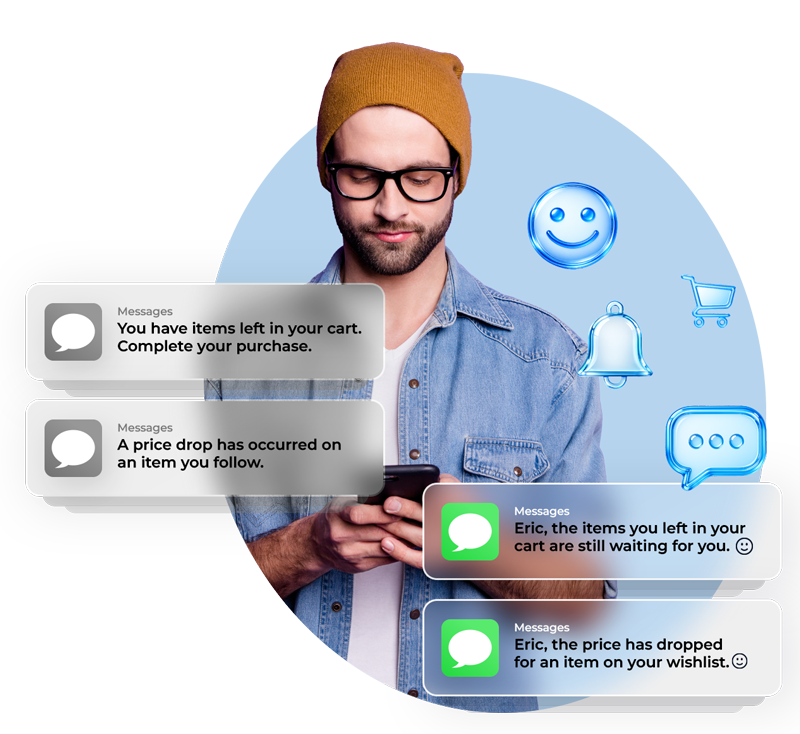
When a customer abandons a cart, a gentle reminder arrives with helpful guidance. When a user browses a specific category repeatedly, a relevant product suggestion or price-drop notification can be sent. When a customer completes a purchase, SMS can deliver helpful follow-up information such as care instructions, delivery timelines, or complementary recommendations.
Triggers make sms marketing feel alive. They ensure that communication is always connected to what the customer is doing right now. This creates a sense of relevance, reduces friction, and moves customers naturally toward conversion without feeling pressured.
5. Transactional SMS for Trust, Clarity & Customer Experience
Transactional SMS plays a critical role in building trust. These messages are not promotional, but are informational, expected, and essential to customers’ sense of security.
Order confirmations, shipping updates, password resets, login verifications, and payment alerts help strengthen transparency and reliability. Customers rely on these messages to feel in control of their interactions with a brand. They are the backbone of a safe, predictable user experience.
Transactional SMS is an indispensable tool across industries. For instance, in finance, they support account activity confirmations or due-date reminders. In e-commerce, they reassure customers that their order is on its way or successfully delivered. Because transactional SMS is permission-based and anticipated, users respond positively; making it a vital component of modern sms marketing.
Bringing It All Together: SMS Marketing as a Strategic Layer
Today’s sms marketing ecosystem is much more than a channel; it is a strategic layer that supports sales, engagement, onboarding, retention, and customer satisfaction. Bulk messages build awareness, segmentation ensures relevance, timing amplifies engagement, triggers create contextual moments, and transactional messages reinforce trust.
When these elements work together, brands communicate with clarity and confidence, not noise. SMS becomes a personal, respectful, and helpful extension of the customer journey.
✨ Ready to build meaningful SMS experiences that customers actually welcome?
Book a Demo to see how PersonaClick helps brands activate smarter, behavior-driven sms marketing journeys.
