
How a Customer Engagement Platform Transforms Personalization & Growth
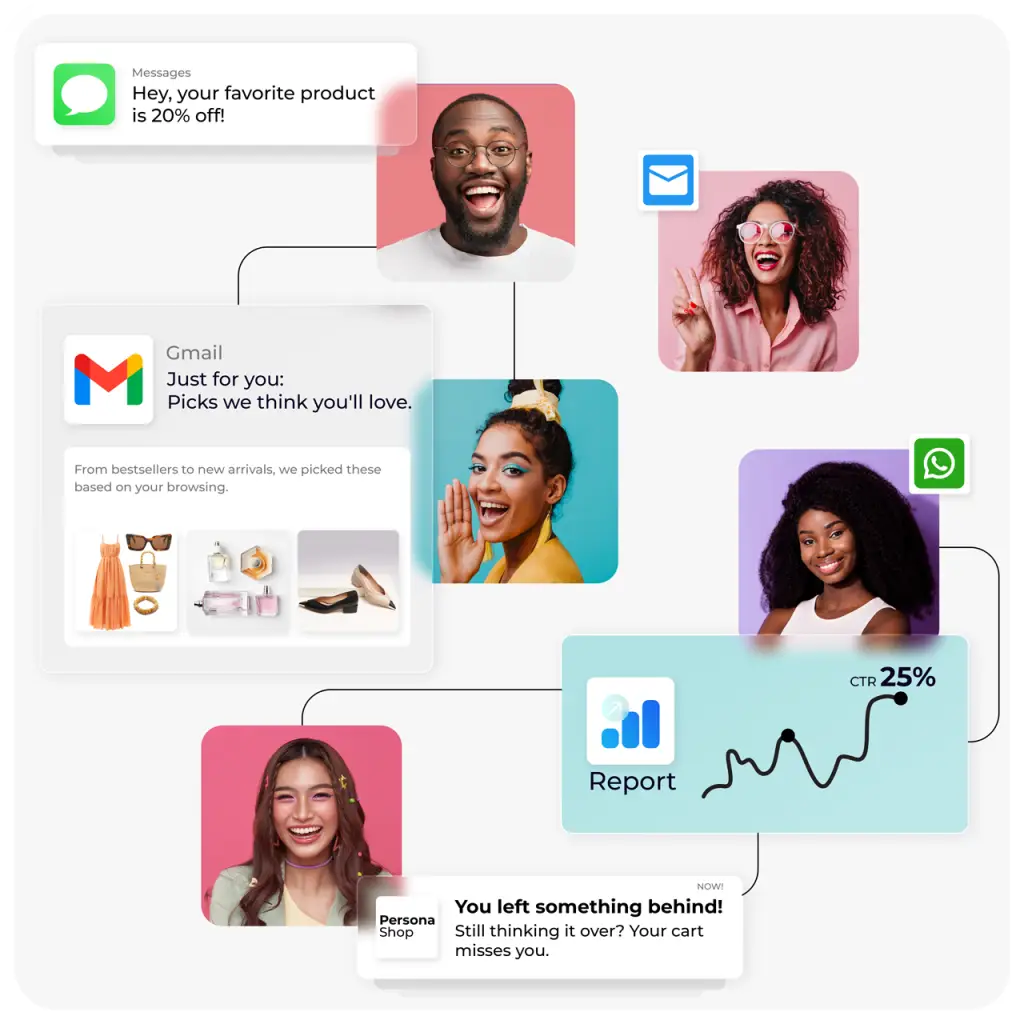
Customers decide in seconds whether to engage with a brand or quietly drift away. Not because prices are too high or products are weak, but because the experience feels disconnected, impersonal, or irrelevant.
In upcoming years, brands can no longer rely on siloed email tools, CRM notes, or occasional campaigns. They need a customer engagement platform that unifies data, understands intent, and delivers meaningful communication at the right moment. In practice, a customer engagement platform connects behavioral data, decision logic, and real-time messaging so brands can respond to customer intent as it happens, not days later.
Let’s explore the trends shaping engagement, real industry use cases, and the measurable benefits of adopting a customer engagement platform.
What a Customer Engagement Platform Really Is (and Isn’t)
A lot of companies think they engage customers because they send newsletters, push notifications, or SMS blasts. But that’s simply broadcasting, not engagement.
A true customer engagement platform acts as a real-time intelligence layer between your data and your communication channels. It unifies customer behavior, powers segmentation, delivers personalized recommendations, and triggers journeys based on live intent, not assumptions. This distinction matters because engagement is measured by customer action and continuity, not by message volume.
Unlike CRMs, marketing automation tools, or single-channel solutions, a customer engagement platform orchestrates every interaction across email, SMS, push, onsite marketing tools, and app, using one unified profile. This means customers receive communication that feels cohesive, contextual, and continuous no matter which channel they’re on.
New Trends Shaping Customer Engagement Platforms
The customer engagement landscape is evolving faster than ever. Today’s customers expect anticipation, not reaction.
Hyper-personalization now moves beyond names and segments. Customers want brands to understand their goals, tastes, and timing preferences. Modern customer engagement platforms accomplish this through real-time behavioral data, AI-powered micro-segmentation, and predictive scoring.
The shift from campaign-based communication to trigger-based communication is another defining trend. In mature engagement programs, these triggers are shared across product, marketing, and data teams, which is why platforms must operate in real time rather than batch logic. Instead of planning one-off blasts, brands now rely on continuous journeys that react to browsing, purchases, inactivity, milestones, and intent signals.
Privacy and consent also shape engagement strategies. With GDPR, KVKK, and global regulatory pressure, customer engagement platforms must support ethical, transparent data usage. Finally, predicting silent churn, the customers who slip away without complaint, is becoming a competitive edge. Detecting these subtle signals allows brands to act before it’s too late.
According to PwC, more than half of CMOs increased investment in retention and loyalty initiatives, reflecting a broader shift toward engagement-led growth rather than acquisition-first strategies.
How a Customer Engagement Platform Drives Results Across Industries
E-Commerce: Real-Time Personalization That Converts
In e-commerce, customers expect instant discovery. A customer engagement platform allows stores to personalize recommendations and promotions the moment browsing patterns shift. For example, when a shopper views denim jackets, the homepage, product suggestions, and even cart incentives instantly adapt to match that interest. Instead of offering random items, the platform responds dynamically, creating a shopping experience that feels curated, not generic. This leads to higher add-to-cart rates, reduced bounce rates, and deeper loyalty, because customers feel understood at every click.When applied consistently, this impact comes from relevance delivered at the exact decision moment, not from heavier discounting.
Fintech: Predicting Churn and Guiding Borrowers with Confidence
Fintech customers rarely articulate dissatisfaction. They simply stop engaging with dashboards, repayment tools, or investment menus, which is a silent warning sign. In this context, a customer engagement platform identifies these patterns early and activates helpful, supportive communication. A user who hasn’t checked their portfolio may receive tailored insights, while a borrower who slows repayment activity may get a transparent update about flexible options.
Travel & Hospitality: Turning Inspiration Into Bookings
Travel decisions are emotional and often impulsive. When a visitor browses flights to Barcelona or explores hotel pages, a customer engagement platform captures the intent and begins a journey. The customer may receive seasonal deals, city guides, hotel suggestions, or itinerary content aligned with their browsing. Instead of blasting generic promotions, travel brands send meaningful, relevant content that reflects what customers actually want, creating excitement that ultimately leads to bookings.
Telecom: Renewal, Upgrade & Usage Journeys Made Simple
Telecom customers churn when plans no longer fit their needs. A customer engagement platform interprets usage patterns, nearing-contract expirations, and device behaviors to deliver highly relevant journeys. If a customer’s data usage increases, they receive a personalized plan suggestion. If their contract is nearing renewal, they get guidance and loyalty incentives early. This eliminates confusion, reduces call center load, and increases customer trust because the brand appears proactive, not reactive.
Entertainment: Personalized Content to Keep Fans Engaged
Entertainment users want content that reflects their mood, taste, and viewing habits. A customer engagement platform analyzes genres consumed, viewing schedules, and skip patterns to build personalized watchlists, new-release alerts, and recommendation emails. When a user binge-watches a sci-fi series, the platform adjusts future notifications, app banners, and follow-up content. The experience becomes immersive, creating higher retention and reducing churn especially for monthly subscriptions.
End-Customer Benefits of a Customer Engagement Platform
Customers today crave relevance, clarity, and consistency. A customer engagement platform delivers exactly that.
End users enjoy:
- Communication that feels personal, not pushy
- Seamless transitions across devices and channels
- Helpful guidance at the moments they need it
- Transparent updates and proactive support
- Products and offers aligned with their true preferences
When communication feels human, customers don’t feel marketed to; they feel understood.
Company Benefits: Why Brands Invest in a Customer Engagement Platform
For brands, the impact is transformative. A customer engagement platform increases retention, reduces churn, and expands lifetime value because journeys become smarter with every interaction. Companies benefit from the following:
- Higher engagement across all channels
- More accurate segmentation and prediction
- Streamlined marketing operations
- Revenue attribution tied to real behaviors
- Faster experimentation and go-to-market
- A single source of truth for customer data
Most importantly, brands stop guessing and start acting on real-time intelligence. Across retail, finance, and telecom, one pattern repeats itself: engagement only scales when data, orchestration, and messaging live inside the same system.
Why PersonaClick Is a Complete Customer Engagement Platform
PersonaClick unifies everything modern engagement requires:
- A real-time CDP as the foundation
- Behavioral segmentation and marketing automation
- AI-driven product recommendations
- A simple yet powerful segment builder
- Privacy-first compliance for KVKK, GDPR, and İYS
- Clear analytics mapped to revenue and retention
PersonaClick is more than a customer engagement platform, meaning it’s a growth engine powered by personalization and data.
