


Omnichannel Marketing Strategy and Its Importance for an Organization
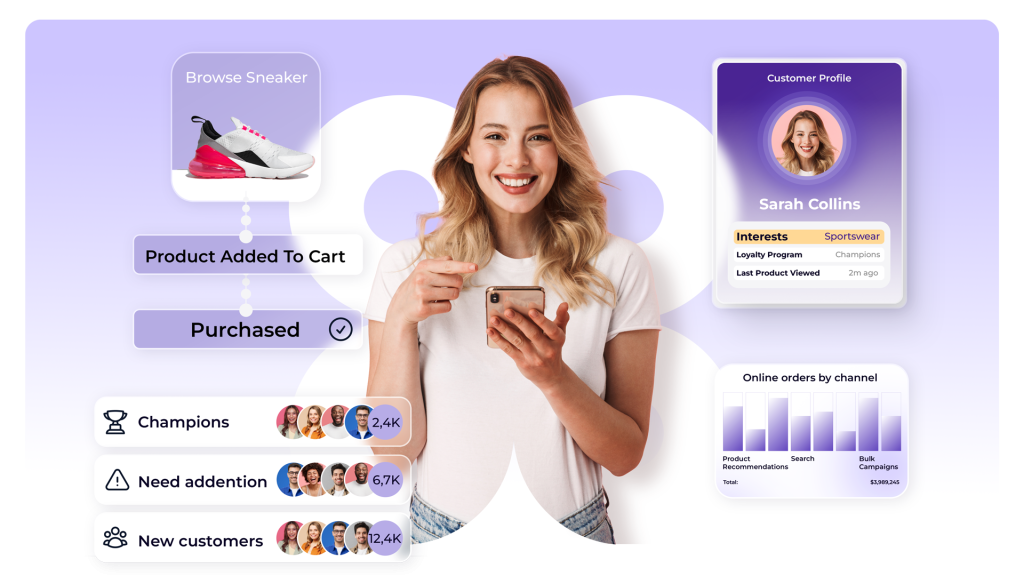
Omnichannel marketing is a strategy that connects all customer interactions into a single, continuous experience across channels. Today, customers move between websites, mobile apps, physical stores, email, and messaging platforms without thinking in terms of channels. According to research by Harvard Business Review, more than 70% of retail customers interact with multiple touchpoints during their journey. This shift has changed how marketing operates. Instead of managing campaigns separately, organizations are expected to maintain context across every interaction. Omnichannel marketing is not simply about being present in multiple channels, but about ensuring that each interaction builds on the previous one.
What Is Omnichannel Marketing?
Omnichannel marketing is an approach where all customer touchpoints share data and context, allowing interactions to feel continuous regardless of channel. Unlike traditional marketing setups, where channels operate independently, omnichannel marketing ensures that customer behavior in one channel directly influences communication in another. This requires unified customer data, coordinated communication, and real-time responsiveness. Without these elements, omnichannel marketing strategies often remain theoretical rather than operational.
Omnichannel vs. Multichannel: Understanding the Difference in Omnichannel Marketing Context
At first glance, omnichannel and multichannel may seem similar, but their philosophies are fundamentally different.
A multichannel approach simply means a brand is present on multiple channels. Email campaigns run separately from SMS. The website operates independently from the physical store. Customer support, marketing, and sales often use different tools and datasets. While the brand appears everywhere, the experience remains fragmented. Customers are forced to reintroduce themselves at every interaction.
An omnichannel marketing strategy, on the other hand, focuses on continuity. Channels do not operate in isolation; they share context. Therefore, actions taken in one channel actively shape experiences in the next. A customer who browses a product online can receive a relevant follow-up message later. A store visit influences digital recommendations. Customer behavior in one channel informs experiences in all others. Omnichannel is not about being everywhere, but it’s rather about being consistent everywhere.
How Omnichannel Marketing Enhances Customer Experience
Customer experience improves when brands remember context. Context includes intent, timing, and prior engagement history. Omnichannel marketing enables this memory. Instead of repeating information, customers feel recognized. Instead of generic offers, they receive relevant ones. Instead of friction, they experience flow. When a customer abandons a cart online and later returns through search or a push notification, the brand already knows where they left off. When they contact support, the conversation continues rather than restarts.
This continuity builds trust. Trust grows when customers feel their time and intent are respected. Customers feel that the organization understands them, respects their time, and adapts to their behavior. Over time, this translates into higher engagement, stronger loyalty, and greater lifetime value.
Why Internal Communication Is Critical for Omnichannel Marketing Success
Many organizations attempt omnichannel externally while remaining siloed internally, which is where strategies fail. Disconnected internal teams inevitably create fragmented customer experiences.
An omnichannel marketing strategy requires alignment across departments. Without shared data and real-time updates, these transitions quickly break down. Marketing, sales, customer support, IT, and even store operations must work from the same customer understanding. If marketing launches a campaign that store staff are unaware of, or if support lacks visibility into recent customer interactions, the experience breaks.
Internal communication must support omnichannel execution. Teams need shared data, shared definitions, and shared goals. Digital and physical touchpoints should reinforce each other. When internal systems speak the same language, the brand speaks with one voice to the customer.
Omnichannel Marketing Strategy: Aligning Digital and Physical Experiences
One of the most powerful aspects of omnichannel marketing is its ability to align digital and physical environments. Customers may research online and purchase offline, or the opposite. They may receive an offer digitally and redeem it in-store. They may browse in-store and later complete the purchase online. An omnichannel strategy ensures these transitions feel natural. This alignment requires real-time data sharing and unified customer profiles. Without them, digital and physical experiences drift apart. With them, organizations deliver a seamless journey regardless of where the interaction occurs. At scale, omnichannel success depends on a single system that unifies data, activation, and internal visibility.
Omnichannel Marketing Examples Across Industries
In ecommerce, omnichannel marketing often connects browsing behavior with personalized recommendations and follow-up communication. A customer who views a product online may later receive a targeted email or SMS based on that interaction. In travel, omnichannel strategies ensure continuity between booking, notifications, and real-time updates. Customers receive consistent information whether they engage via mobile apps, email, or support channels. In financial services, omnichannel marketing focuses on trust and consistency, where transactional messages, alerts, and support interactions must reflect a unified customer profile.
The Role of PersonaClick in Omnichannel Marketing Strategy
PersonaClick supports omnichannel marketing by unifying customer data across every touchpoint, which is both digital and physical. Browsing behavior, purchase history, engagement signals, and interaction data are merged into a single, continuously updated profile.
This unified view enables organizations to activate consistent experiences across email marketing, SMS marketing, push notifications, onsite marketing, and product search. Moreover, segmentation updates dynamically as customers move between channels, ensuring messages remain relevant regardless of where the interaction happens.
PersonaClick also helps internal teams stay aligned by providing a shared source of truth. Marketing, product, and customer teams operate from the same customer context, enabling omnichannel marketing execution without internal friction.
A Connected Organization and Loyal Customers Enabled by Omnichannel Marketing
An omnichannel marketing strategy does more than improve campaigns; it transforms how an organization operates. This transformation is structural, not cosmetic. Internal teams collaborate more effectively. Customer journeys feel intentional rather than reactive. Digital and physical experiences reinforce each other instead of competing.
For customers, the result is simple: fewer frustrations, more relevance, and stronger trust. For organizations, the result is measurable: higher engagement, increased conversion rates, improved retention, and sustainable growth. In a world where customers move freely across channels, omnichannel is no longer optional. It is the operational foundation of modern, customer-centric organizations.
